
The Heatwave Across Britain
Britain’s recent heatwave brought temperatures above 30°C, transforming familiar landscapes and changing the way I approached photography in the countryside.
Over the past few days, Britain has been experiencing unusually hot weather, with temperatures climbing above 30°C in some areas. For a country more used to grey skies and rain, the sudden heat changes the atmosphere of the landscape and the simple experience of being outdoors with a camera.
In the middle of the day, the intense sunlight creates harsh shadows and strong contrast, which can make photography more challenging than usual. Colours can feel washed out under the midday sun, and wildlife tends to be less active during the hottest hours, retreating into shade and cover. Because of that, I’ve found myself adjusting when I head out, focusing more on the quieter hours early in the morning or later in the evening, when the light softens and the landscape feels calmer again.
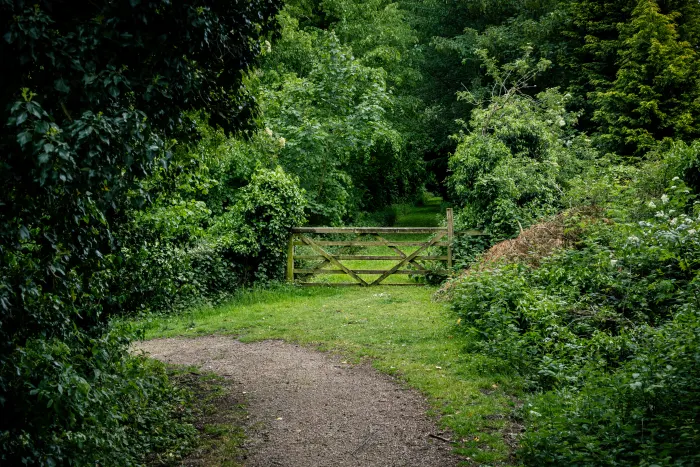
The heatwave has brought its own opportunities, too. Woodland paths feel noticeably cooler and darker compared to open countryside, and places with streams, lakes, and dense tree cover take on a more atmospheric, inviting quality. The dry weather is also shifting the palette of the land itself, with grass beginning to fade and parts of the countryside taking on a more sun-scorched look.
Photographing in these conditions has also made me pay closer attention to how nature responds to extremes. Birds seem quieter in the middle of the day, water levels in streams appear lower, and familiar locations can feel transformed under heat and haze. It’s a reminder that photography is shaped as much by weather and atmosphere as it is by the subject.
While the heat can make certain scenes harder to work with, it’s also encouraged me to slow down and look differently—towards shaded woodland details, reflections on still water, and small moments of calm tucked away from the intensity of the sun. In a country where the weather changes constantly, even a brief spell of extreme heat can alter the mood and character of the landscape.
Join the discussion
Have you visited this location, photographed this subject or noticed something different? Share your experience or ask a question below.
Comments are closed for this journal post.
No comments yet. Be the first to join the discussion.