A New Direction: Finding My Focus in Wildlife Photography
It's been a little while since I last posted anything here. In fact, my last journal entry was back on 6 August, and quite a bit has happened with my
It's been a little while since I last posted anything here. In fact, my last journal entry was back on 6 August, and quite a bit has happened with my photography since then.
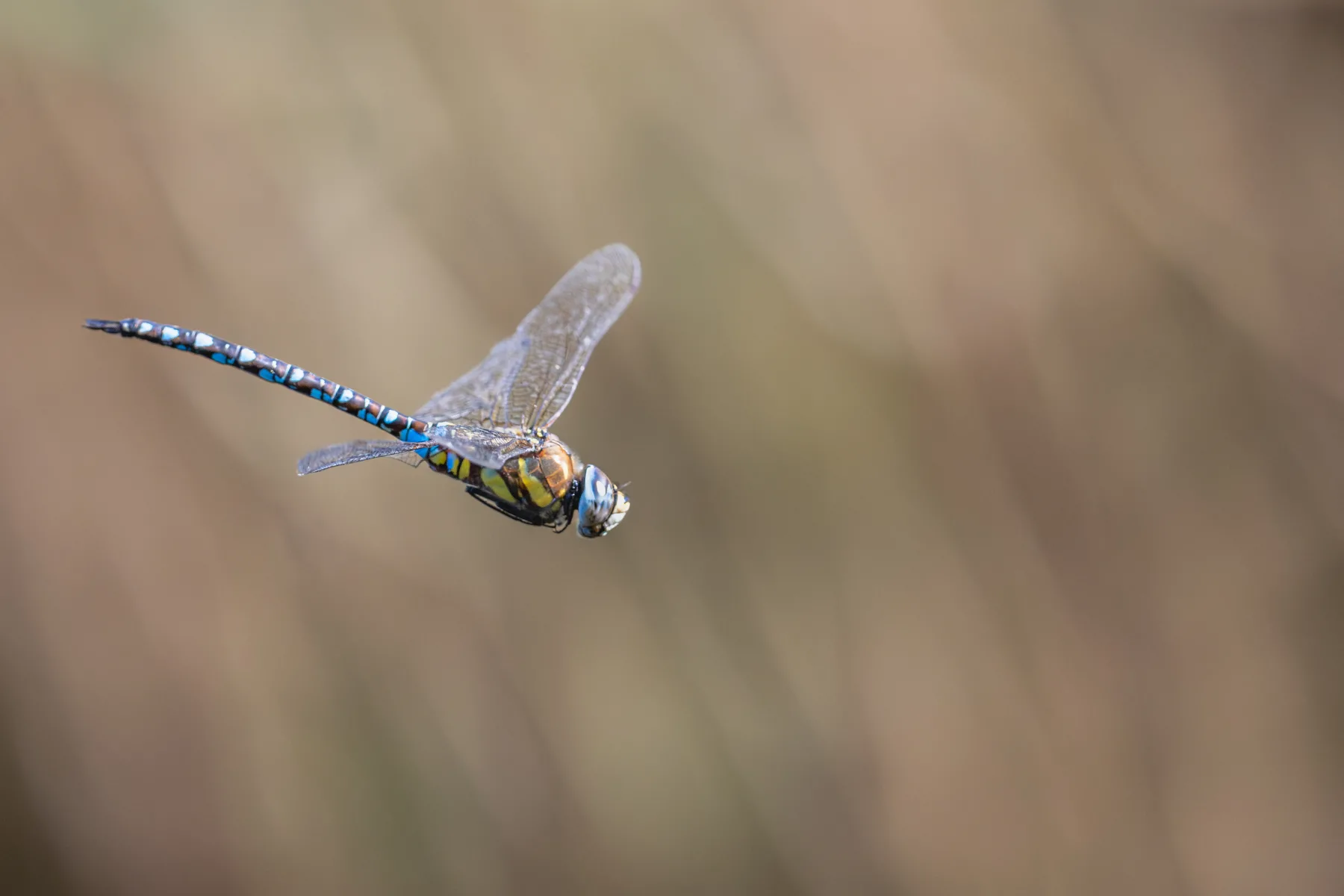
Over the past few months, I've found myself becoming increasingly drawn towards wildlife photography. Although landscapes, historic locations and the natural world have always interested me, there's something about photographing wildlife that I've started to find particularly rewarding.
Perhaps it's the unpredictability of it all. With a landscape, you can often plan your composition, wait for the right lighting conditions and take your time getting the photograph you want. Wildlife is an entirely different challenge.
You can spend hours waiting for something to happen, only for your subject to appear for a matter of seconds. Sometimes you come home with photographs you're really pleased with; other times, you come home with very little at all.
But I'm discovering that's part of the appeal.
A New Addition to the Camera Bag
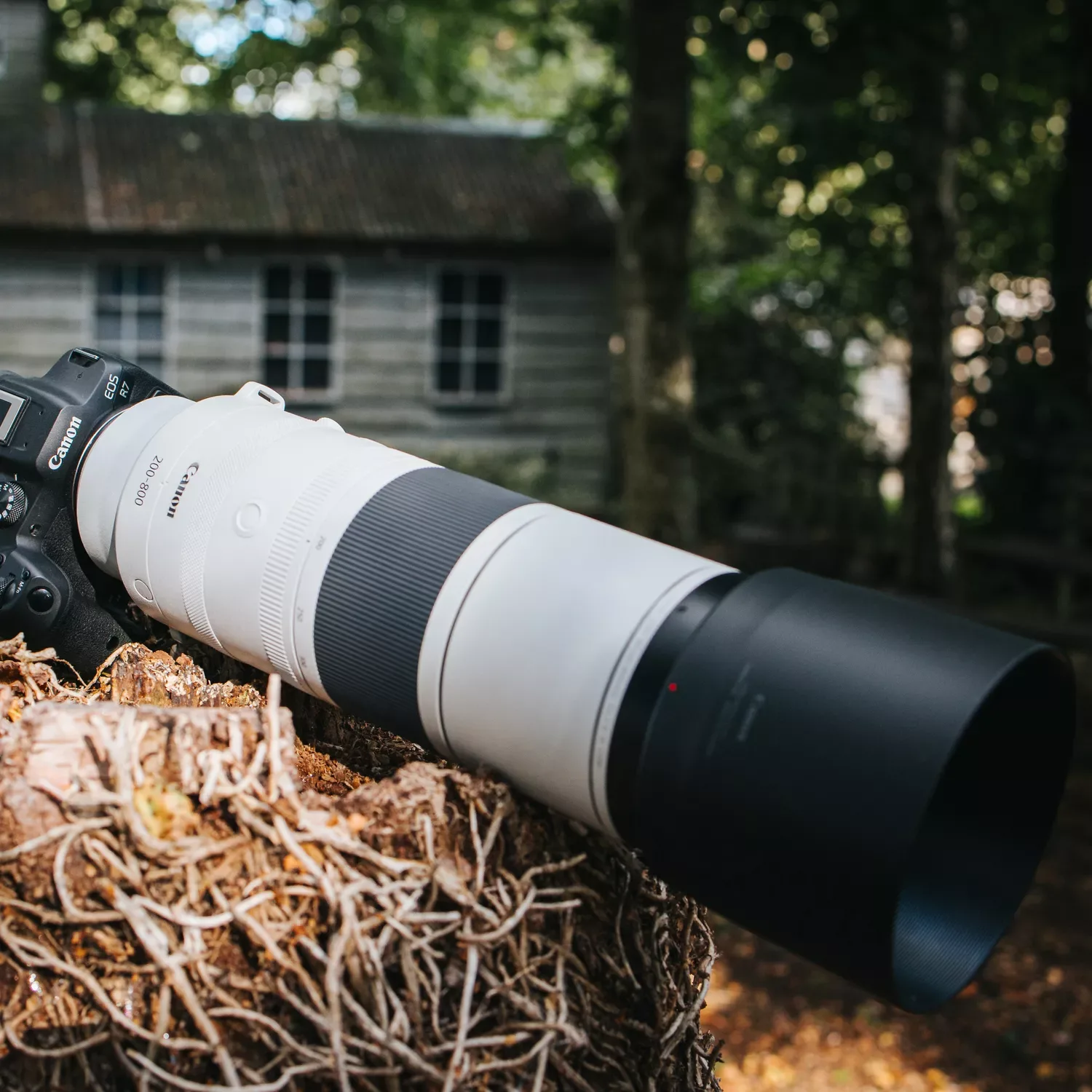
One of the biggest developments has been the purchase of the Canon RF 200–800mm f/6.3–9 IS USM lens for my Canon EOS R6 Mark II.
It's certainly a substantial piece of equipment, both in terms of its size and its reach, but it's also opened up possibilities that simply weren't practical with my existing RF 24–105mm lens.
Having a maximum focal length of 800mm makes an enormous difference when photographing birds and other wildlife, particularly subjects that are either too distant or too easily disturbed to approach closely.
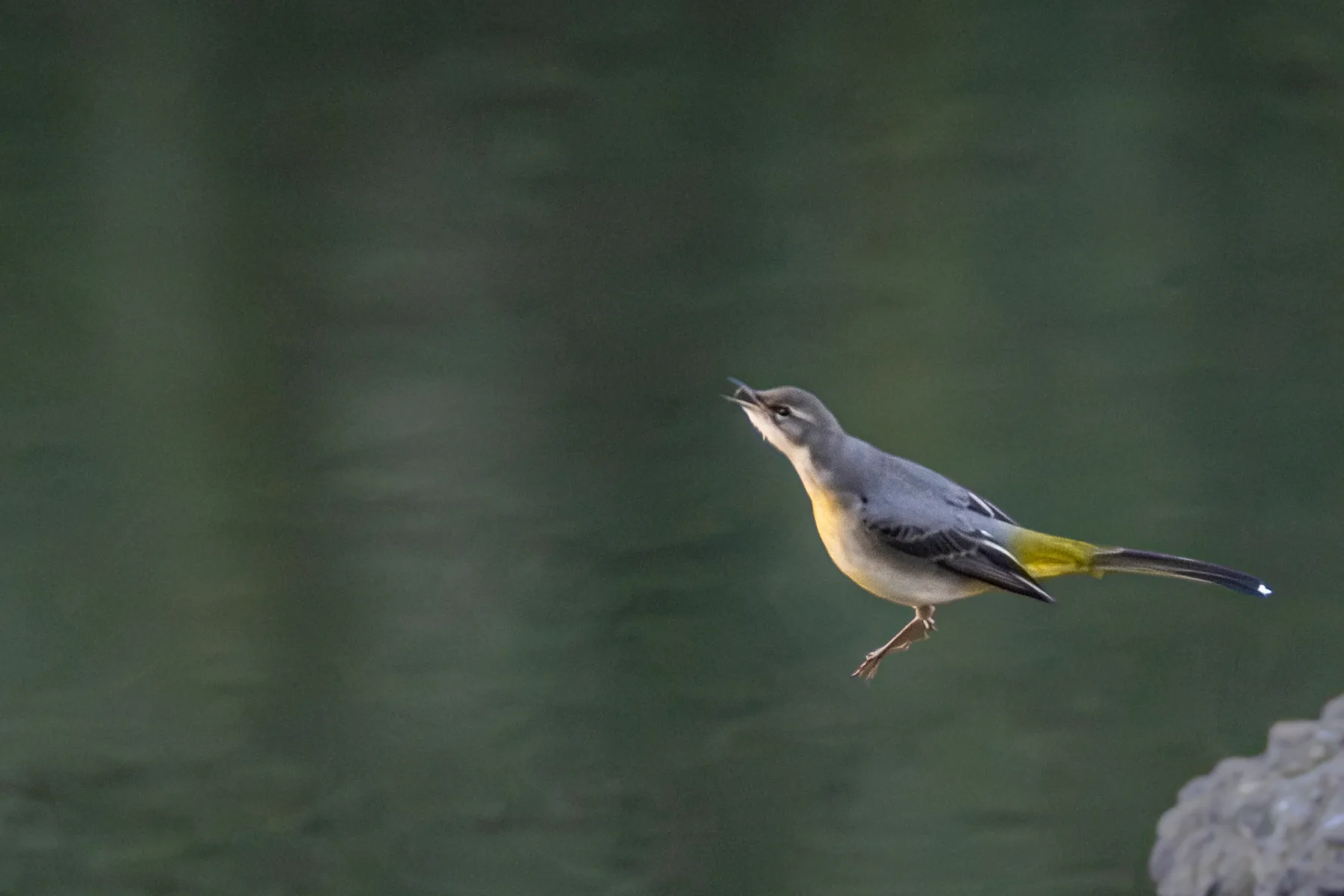
Kingfishers are a perfect example. They're birds I've become particularly interested in photographing, but their relatively small size and tendency to keep their distance make them challenging subjects.
With the 200–800mm, I can observe and photograph wildlife from much further away, allowing the animals to go about their business without me needing to get too close.
Of course, the extra reach doesn't automatically make wildlife photography easy. If anything, it's highlighted just how much there still is to learn.
Learning to Be Patient
Something I've quickly discovered is that wildlife photography requires an entirely different mindset.
It's not simply a case of arriving somewhere, pointing the camera at a bird and pressing the shutter. Finding wildlife in the first place can be challenging enough, particularly when you're hoping to photograph a specific species.
I've been spending more time exploring nature reserves, wetlands and woodland habitats, looking for opportunities to photograph birds and mammals in their natural surroundings.
Places such as Idle Valley, Potteric Carr and other reserves across Nottinghamshire and Yorkshire offer fantastic opportunities, although wildlife sightings are never guaranteed.
Some visits have been productive, while others have involved a great deal of walking, watching and waiting without much to show for it photographically.
I'm beginning to appreciate that even an unsuccessful outing can be worthwhile. Every visit helps me learn a little more about where wildlife might be found, how different species behave and how best to approach photographing them.

Finding My Own Style
Alongside spending more time behind the camera, I've also been thinking more carefully about the photographs I want to produce.
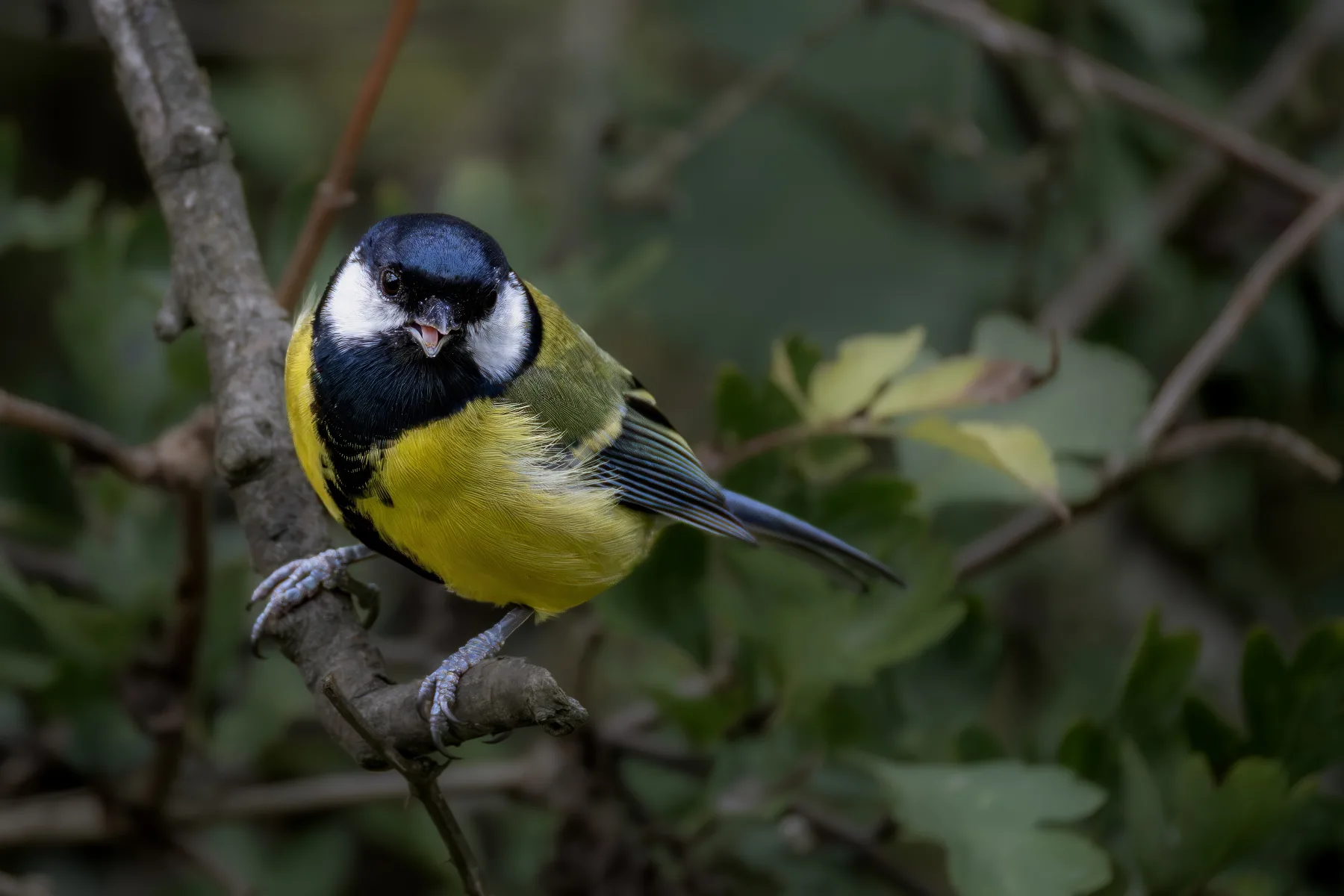
I'm becoming increasingly interested in capturing wildlife in a way that does justice to both the subject and its surroundings.
Good light, natural colours, interesting behaviour and a sense of atmosphere are all things I'm trying to pay more attention to.
I've also been developing my editing skills in Adobe Lightroom Classic, learning how relatively small adjustments to light, colour and contrast can help bring a photograph closer to what I originally saw through the viewfinder.
There's still plenty of room for improvement, particularly when it comes to composition, backgrounds and making subjects stand out naturally within an image.
But that's something I'm enjoying about photography at the moment. Each outing feels like an opportunity to improve.
What's Next?
Wildlife photography is likely to become a much bigger part of bowes.photo over the coming months.
I'm particularly keen to spend more time photographing kingfishers, owls, foxes and other British wildlife, ideally capturing natural behaviour rather than simply producing another photograph of an animal sitting still.
That doesn't mean I'm abandoning landscapes, architecture or the other subjects I've enjoyed photographing. Those will always have a place here.
Instead, I see this as my photography gradually finding a more definite direction.
With autumn now well underway and winter approaching, I'm looking forward to seeing what photographic opportunities the changing seasons bring.
There are undoubtedly going to be plenty of early starts, cold mornings and frustrating outings along the way, but hopefully a few memorable photographs too.
And with any luck, it won't be quite so long before my next journal entry.
Scott


Join the discussion
Have you visited this location, photographed this subject or noticed something different? Share your experience or ask a question below.
No comments yet. Be the first to join the discussion.